If you’re planning a trip to Goa this year. Before planning, weather is the first thing you should consider. Goa is warm throughout the year, but the summer season (April–May) and monsoon season (June–October) it really changes the vibe. So, choosing the best season for Goa depends on the type of trip you are planning.
A trip to Goa in the summer season is ideal for beach time, water sports, and full-day sightseeing. However, a Goa trip during the monsoon is perfect for travellers who like greenery, waterfalls, quiet roads and a slower mood. Many travellers are confused about deciding between Goa summer trip or a Goa trip in the rainy season. Let’s dig into the key differences to help you decide what’s right for you.
Goa Weather in Summer vs Monsoon
| Factor | Summer | Monsoon |
| Temperature | Around 33–36°C in the day and 25–27°C at night. | Around 27–30°C in the day and 24–26°C at night. |
| Rainfall | Very little rain, mostly sunny days. | Heavy and frequent rain, especially in peak monsoon months. |
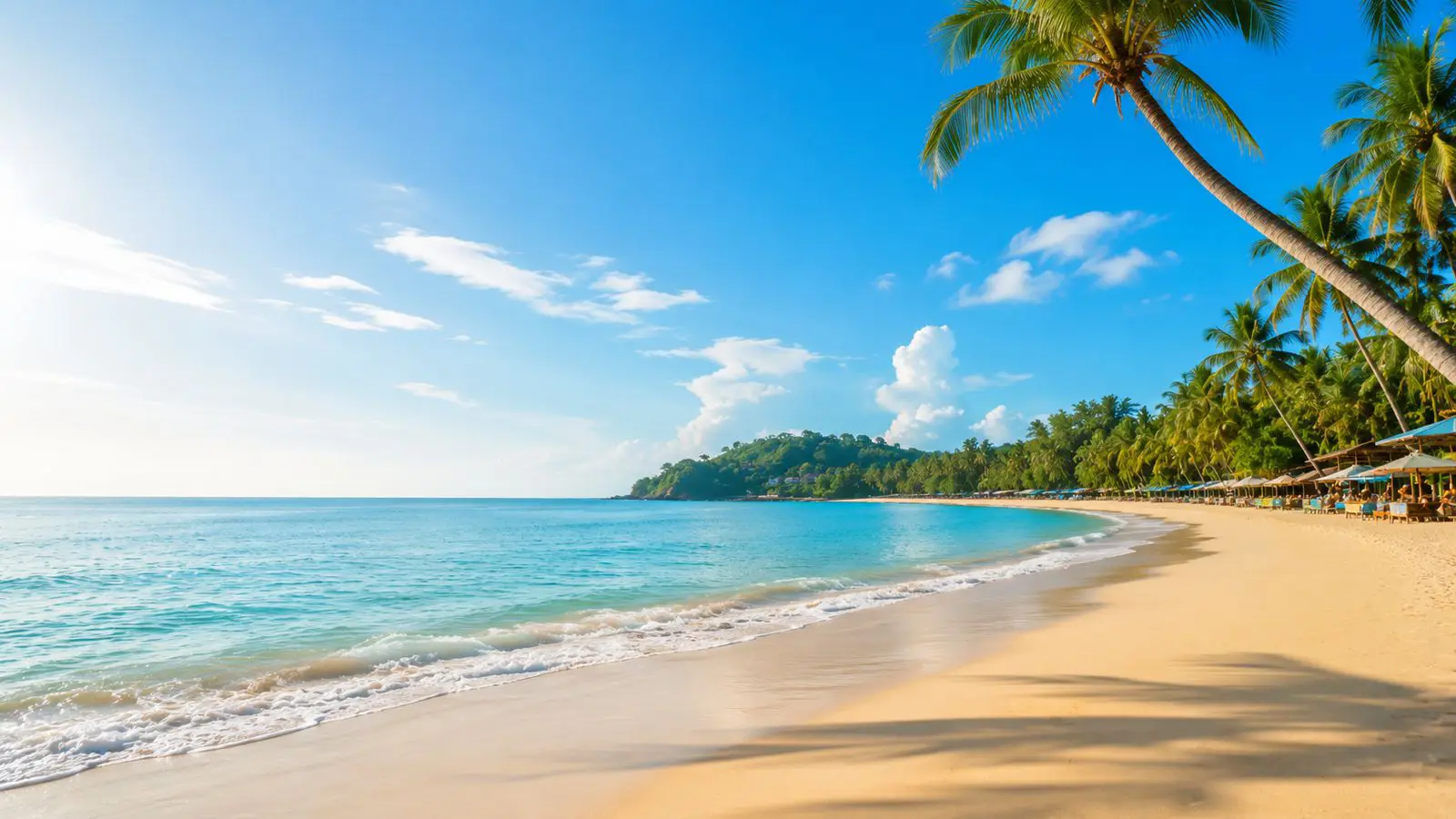
| Beach conditions | Better for swimming, shacks, and water activities. | Rough sea, high waves, and limited water sports. |
| Sightseeing | Easier for forts, churches, markets, and beach hopping. | Best for waterfalls, green landscapes, and indoor attractions. |
Summer in Goa:
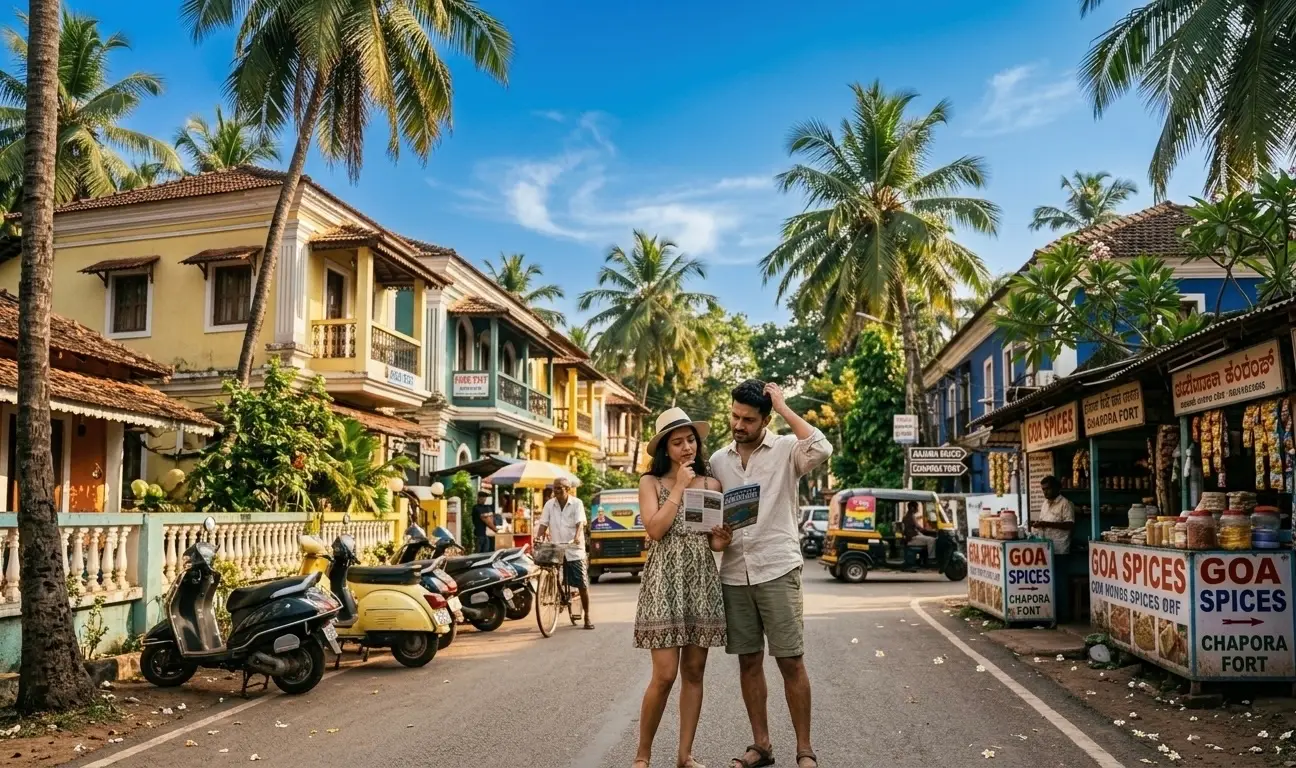
It is sunny and hot. Afternoons can feel exhausting but it’s also when beaches are more usable and outside plans are easier to undertake. For best accommodation to stay in summer in Goa you can choose serviced apartments that give feeling like a home.
Monsoon in Goa:
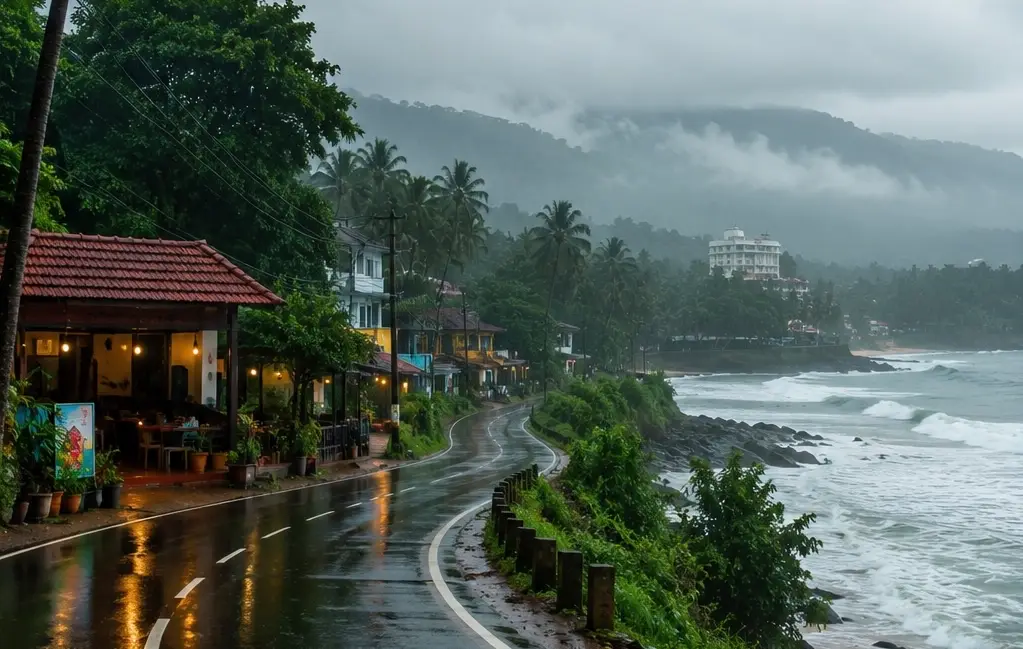
It brings cooler temperatures, but the humidity remains high and rain can change plans on the drop of a hat. This is also the time when Goa is at its greenest and most peaceful.
Note: Goa in monsoon is cooler but more humid, in summer it is hotter but less humid.
Planning a trip during the rains?
Read our complete guide for — where to go, where to stay, and what’s best skipped this season
Goa Temperature Change in Summer and Monsoon Season
The daytime temperature can often go over 33°C, so summer feels hotter. If a traveler wants to spend long hours on the beach, go out early in the morning or in the evening to avoid the strongest heat.
Monsoon isn’t exactly cold, but it’s softer than summer because the rain drops the temperature (around 27–30°C). Even then the air is humid and the best thing is light cotton clothes.
Goa Rainfall Comparison: Summer vs Rainy Season
The biggest difference between these two seasons is rainfall. Summer brings only occasional showers (20-25 mm) but monsoon months bring regular and sometimes heavy downpours (130-995 mm) which can affect road travel as well as beach plans and outdoor activities.
Summer is easier if your main goal is to wander at will and not have to constantly check the forecast. Monsoon has its own charm if you are looking for a cozy stay, scenic drives and misty views.
Goa Beach Conditions in Summer and Monsoon
The monsoon trip to Goa feels very different. Beaches look spectacular and beautiful, but the sea is rough, swimming is dangerous and many water activities may be closed for safety.
Note: Summer is ideal if you love water sports and beach fun. Monsoon is best if you want quiet beaches and don’t mind rain.
Sightseeing Opportunities in Goa: Summer Vs Monsoon
In the dry weather of the summer travel is much easier for the traveller. Since most of the outdoor activities and sightseeing tours go well.
The rainy season is the best time for waterfalls, indoor activities and greenery. During monsoon the countryside turns lush overnight.
Places to Visit in Summer Season
- Varca Beach, Colva Beach, Benaulim Beach – perfect for sunbathing and swimming
- Dudhsagar Falls – accessible and great for day trips
- Goa Forts (Aguada, Chapora) – clear views, no rain disruption
- Spice Plantations – dry weather makes tours comfortable
- Night Markets (like Baghmati) – open and lively
Places to Visit in Goa in Rainy Season
- Dudhsagar Falls – looks spectacular with full water flow
- Waterfalls (like Arvalem, Mahakal) – most beautiful during monsoon
- Goa Botanical Garden – lush green, peaceful
- Old Churches (like Basilica of Bom Jesus) – indoor sightseeing
- Spice Plantations with indoor tours – green and misty
Which Season is Better for Goa Trip?
Choose Summer if:
- You want water sports and beach fun
- You prefer sunny, dry days
- You plan to visit outdoor attractions and forts
- You don’t mind hot temperatures
Choose Monsoon if:
- You love quiet, peaceful beaches
- You enjoy lush green landscapes and waterfalls
- You’re okay with limited water activities
- You want a budget trip (lower prices in monsoon)
The Bottom Line
The weather in Goa is lovely in both the seasons, but it depends on what you are looking for. If you are a beach lover and an adventure seeker then a goa summer trip is the best choice. A goa trip in rainy season has its own kind of magic- greenery, waterfalls and solitude.
Whatever you pick, Goa has something special for everyone. Just pack accordingly, sunscreen and hats for summer, raincoats and umbrellas for monsoons.